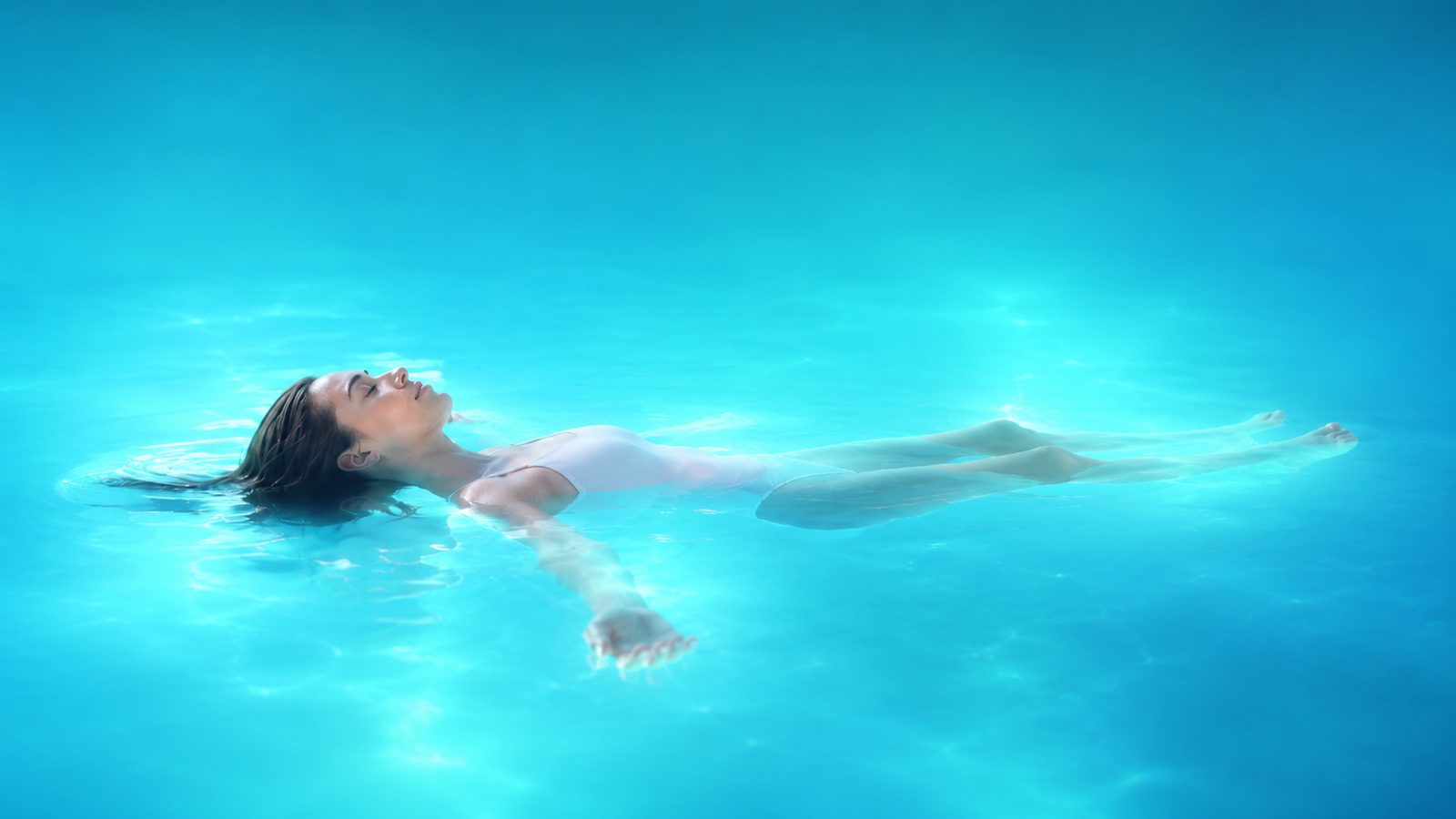
If you have searched for a sensory deprivation tank near me, you may have also seen terms like salt float therapy, float therapy, float tank, isolation tank, and floatation therapy.
The names can be confusing, but they are usually describing the same general wellness experience: floating effortlessly in warm, highly concentrated Epsom salt water in a quiet, low-stimulation environment.
At My Place Wellness Center in Henderson, NV, we use the term salt float therapy because it sounds more welcoming and better describes the actual experience. You are not being “deprived” in a harsh or uncomfortable way. You are being given a peaceful environment with less noise, less pressure, and fewer distractions.
What Is a Sensory Deprivation Tank?
A sensory deprivation tank, also known as a float tank or isolation tank, is a private tank or float room filled with warm water and a high concentration of Epsom salt. The salt makes the water buoyant so your body floats naturally.
The environment is designed to reduce outside stimulation. That usually means less light, less sound, less physical pressure, and less temperature distraction. Research descriptions of floatation-REST explain that the water is typically saturated with magnesium sulfate, also called Epsom salt, and kept close to skin temperature so the body can float comfortably.
The goal is not to scare you or trap you. The goal is to help your body and mind settle.
Why Do People Call It Salt Float Therapy?
“Salt float therapy” is a more modern, spa-friendly way to describe the same type of experience.
The word “sensory deprivation” can sound intense, especially for first-time guests. Many people picture a tiny dark pod or a clinical experiment. In reality, modern float therapy is designed to feel calm, clean, private, and relaxing.
Salt float therapy highlights the three main parts of the service:
- Salt: The Epsom salt creates buoyancy.
- Float: Your body floats with very little effort.
- Therapy: The environment supports relaxation, recovery, and self-care.
Is Sensory Deprivation the Same as Relaxation?
Not exactly. Sensory deprivation is the method. Relaxation is the goal.
Most of us spend the day surrounded by stimulation: bright screens, traffic, notifications, conversations, music, stress, work, and physical pressure. A float room removes many of those inputs. Without so many things competing for your attention, your body has a better chance to relax.
This is why many people use float therapy for:
- Stress relief
- Mental reset
- Muscle relaxation
- Recovery after workouts
- Quiet meditation
- Sleep routine support
- A private break from busy schedules
- Relief from everyday tension
What Happens Inside the Float Room?
A typical salt float therapy session is simple.
First, you shower. Then you enter the float room and lie back in the warm salt water. Because of the salt concentration, your body floats effortlessly. You do not need to know how to swim. You are not exercising. You are simply allowing the water to hold you.
You can usually choose whether you want lights on or off. First-time guests often start with soft lighting and then turn it off once they feel comfortable.
During the session, your body may start to feel lighter. Your shoulders may release. Your breathing may slow. Your thoughts may be busy at first, then gradually quiet down.
There is no “perfect” way to float. Some people meditate. Some people pray. Some people think. Some people fall asleep. Some simply enjoy being away from their phone for an hour.
Is a Sensory Deprivation Tank Safe?
For many healthy adults, float therapy is a low-impact wellness experience. However, it is not for everyone. Floatation therapy may not be appropriate for people with certain conditions, including open wounds, contagious illness, skin ulcers, epilepsy, kidney disease, low blood pressure, or severe claustrophobia.
You should not float if you have:
- Open cuts or wounds
- A fresh tattoo
- Recent hair dye that may bleed
- Contagious illness
- Severe skin irritation
- Uncontrolled seizure disorder
- Medical concerns that make unsupervised water-based relaxation unsafe
If you are pregnant, have a medical condition, recently had surgery, or are unsure whether floating is right for you, ask your healthcare provider before booking.
Will I Feel Claustrophobic?
This is one of the biggest first-time concerns.
Many people hear “sensory deprivation tank” and imagine being sealed inside a small space. Modern float rooms are designed to feel more comfortable than that. You are in control of your session. You can keep lights on, exit when needed, and adjust the environment based on your comfort level.
If you are nervous, try this:
- Keep the lights on for the first few minutes.
- Focus on your breathing.
- Remind yourself that you can sit up anytime.
- Start with your arms at your sides or hands on your stomach.
- Give your body time to adjust.
If you have severe claustrophobia, floating may not be the right choice. But if you are only mildly nervous, the experience may be more relaxing than you expect.
Why Is Epsom Salt Used?
The Epsom salt is mainly there for buoyancy. It makes the water dense enough to support your body without effort. That weightless feeling is what makes float therapy different from a bath, hot tub, or pool.
Because the water supports you evenly, your muscles do not have to work as hard to hold you up. For many people, that creates a feeling of physical decompression.
Sensory Deprivation Tank Benefits: What Can You Expect?
People use sensory deprivation tanks for many reasons. Some want quiet. Some want stress relief. Some want muscle recovery. Some want a meditation tool.
Research on floatation-REST is still developing, but reviews suggest it may help reduce stress, anxiety, pain, and support relaxation and mental well-being.
The safest way to think about float therapy is this: it is a wellness tool that may help you relax, reset, and recover. It is not a cure, and it should not replace medical care.
Sensory Deprivation Tank Near Las Vegas and Henderson
If you are in Henderson, Green Valley, Seven Hills, Anthem, Silverado Ranch, or the Las Vegas area, you do not have to drive far to experience salt float therapy.
My Place Wellness Center offers a clean, calming environment for guests who want a break from the noise and pace of everyday life.
For beginners, we recommend reading How to Prepare for Your First Salt Float Therapy Session before booking.
FAQ: Sensory Deprivation Tank
Is a sensory deprivation tank the same as a float tank?
Yes, in most cases. A sensory deprivation tank, float tank, isolation tank, and salt float therapy room are all terms used for a similar floating experience.
Do I have to turn the lights off?
Usually, no. Many float rooms allow you to keep soft lighting on, especially during your first session.
Do I need to know how to swim?
No. The Epsom salt makes the water highly buoyant, so you float naturally.
Is it completely silent?
The room is designed to be quiet, but you may still hear small sounds. The goal is reduced stimulation, not necessarily perfect silence.
Can I leave early?
Yes. You are in control of the session.
Ready to Try Salt Float Therapy?
Whether you call it a sensory deprivation tank, float tank, or salt float therapy, the experience is about giving yourself permission to slow down.
If your body feels tense, your mind feels busy, or you simply need an hour away from everything, floating may be the reset you are looking for.
Book your salt float therapy session at My Place Wellness Center in Henderson, NV today.